
📝 Quick Answer
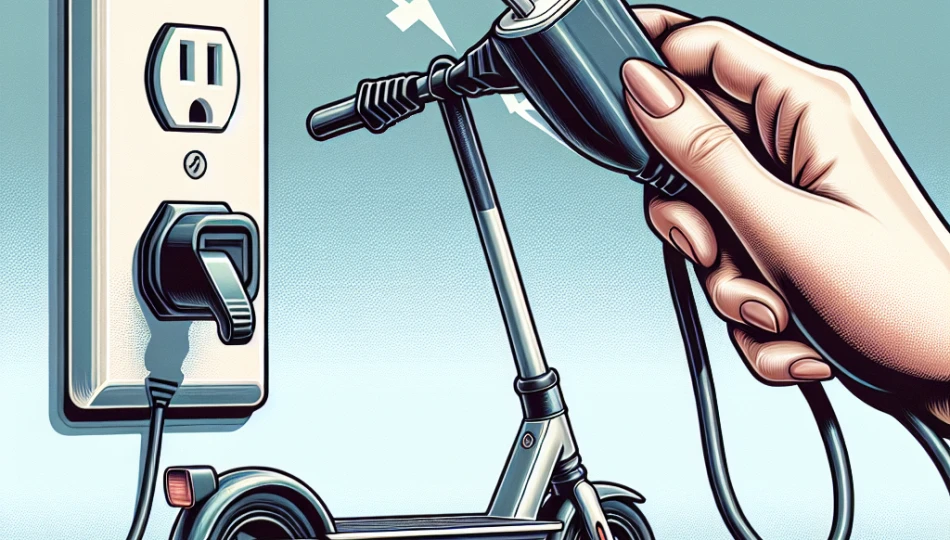
To charge an electric scooter properly, always use the manufacturer’s charger, monitor the charging duration, and avoid overcharging. This safeguards the battery’s lifespan and optimizes performance, ensuring a smooth ride every time you hit the road.
🔍 In Detail
When it comes to electric scooters, proper charging is crucial for longevity and efficiency. Here’s a deeper dive into how to achieve this effectively:
– Use the Correct Charger: It’s tempting to use any charger that fits, but using the original charger ensures the voltage and current are right. Each electric scooter battery is designed for specific charging conditions, and mismatched chargers can lead to battery damage or reduced performance.
– Duration Is Key: Most electric scooters take anywhere from 4 to 8 hours to charge fully. Checking the owner’s manual for the specific time is essential. Leaving the scooter plugged in longer than recommended can lead to overheating and may shorten the battery’s lifespan.
– Don’t Overcharge: Many modern scooters have built-in mechanisms to prevent overcharging, but it’s still good practice not to leave it plugged in longer than necessary. Charging overnight can sometimes lead to overcharging issues, especially if the charger is not of high quality.
– Ambient Temperature Matters: Charging in extreme temperatures – whether too hot or too cold – can affect battery health. Ideally, charge your scooter in an environment between 10°C to 30°C (50°F to 86°F) to ensure optimal battery conditions.
– Regular Maintenance: Regularly check the battery’s health indicators if available, and keep an eye out for swelling or unusual noises during charging, which can indicate a fault.
Understanding these facets can significantly enhance battery life and performance. For example, a friend of mine, who recently bought a scooter, left it charging overnight only to find it had overheated by morning. Learning about the importance of adhering to manufacturer guidelines changed the way he charges his scooter. Now, he’s stress-free knowing he’s taking care of his ride!
👉️ Takeaway: Charging responsibly is key to maximizing your electric scooter’s lifespan and performance. Always stick to manufacturer guidelines, take note of charging durations, and maintain a suitable charging environment.
💬 What People Are Saying Online
🗣️ “I always thought I could just use any charger; ended up frying my scooter’s battery. Totally not worth it!” –Jamie, Brighton
It’s wild how many of us overlook this! Jamie learned the hard way, and it’s definitely a classic mistake. The moment I realized I had been doing the same, I started keeping my scooter’s charger in my bag at all times – just in case.
🗣️ “Charging my scooter overnight was a disaster! The battery ended up running out faster. Now I charge during the day.” –Marc, London
Marc makes a solid point here. It’s so easy to just plug it in and forget, right? But I’ve switched to daytime charging too, and it’s way less stressful checking on it every couple of hours. Plus, I can ride it right after, during the day!
🗣️ “Always charge it in moderate temperatures. I learned that when my scooter battery started acting funny after charging in the sun.” –Kira, Manchester
Kira’s experience is a real eye-opener! We’ve all been there, wanting to charge our devices on a hot day. It seems innocent, but it can lead to headaches down the road! Instead, I found the shade to be my best friend for scooter charging!
🗣️ “I thought overcharging wouldn’t be a big deal with my new model, but my battery life has seriously dropped!” –Ben, Liverpool
Ah, Ben – classic case! Many of us are guilty of trusting tech too much. I’ve even set a phone reminder to check on my scooter’s charge; it feels like a small price to pay to keep the battery in good shape!
🗣️ “I never realized that just checking the battery health regularly could help so much. What a game changer!” –Nina, Leeds
Nina’s got the right idea! It’s a tiny effort that can yield massive benefits. I started checking my scooter battery before long rides; now it’s just part of my pre-outing routine!
🗣️ “Also, avoid charging while it’s damp. It can create short circuits, and I learned that the hard way.” –Ollie, Bristol
Ollie’s advice is pure gold! I remember the time I left mine outside during a drizzle and thought I could charge it right after. Total facepalm moment! We all gotta learn the hard way sometimes, right? But now, I always wait for my scooter to dry out before plugging it in.
🤦♂️ Common Mistakes & Myths
❌️ You can charge any battery with any charger.
Why would you risk it? Mixing and matching isn’t just a bad idea for your hair products! Stick with your scooter’s charger – trust me!
❌️ Overnight charging is okay because of modern tech.
Sure, tech has evolved! But the risk of overcharging or overheating is still very real. Set an alarm, or keep an eye on it instead!
❌️ It’s fine to charge your scooter outdoors in any weather.
I know the sun seems bright and inviting, but let’s keep our rides safe and sound! Rain or extreme heat can damage the battery during charging.
❌️ My electric scooter battery doesn’t need maintenance.
Like your bike, don’t just let it sit! Regular checks on your battery can save you from unexpected breakdowns.
❌️ Charging faster means better performance.
It’s not a race! Fast charging can cause additional heat that might damage your battery in the long run. Play it cool!
🛠️ Practical Advice
– Use Manufacturer Chargers Only: They’re designed for your specific model, balancing safety and performance.
– Charge Regularly: Don’t wait for it to completely drain. Keeping the battery levels above 20% extends its life.
– Set Charging Reminders: Use your phone to remind you when it’s time to check on your scooter, especially if you charge overnight.
– Keep It Clean: Periodically check the charger and scooter ports for dirt and debris. A dirty charger can lead to connectivity issues.
– Watch the Weather: Try to charge indoors or in a garage, especially in rain or extreme temperatures, to protect your battery’s health.
🔥 Did You Know?
Most electric scooter batteries will last around 2-5 years with proper care, but many riders don’t realize their charging habits greatly influence this! Shocking, right? While we often focus on riding styles or maintenance, it’s the seemingly minor act of charging that can significantly shorten or extend battery life.
So, next time you plug in your scooter, remember – you’re not just preparing for your next ride; you’re safeguarding its future!
🚨 Biggest Mistakes People Make & Fixes
Mistake 1: Using the Wrong Charger
Many scooter owners overlook the importance of using the correct charger for their model. This often leads to battery damage or failure.
✅ Fix: Stick to the charger that came with your scooter. If you need a replacement, always buy a genuine product recommended by the manufacturer.
Mistake 2: Charging in Extreme Temperatures
Charging your electric scooter in conditions that are too hot or too cold can negatively affect battery performance. For instance, charging in direct sunlight can cause overheating.
✅ Fix: Always charge in a temperature-controlled environment, ideally between 10°C to 30°C (50°F to 86°F), to preserve battery health.
Mistake 3: Ignoring Battery Maintenance
It’s easy to forget that electric scooter batteries require regular check-ups just like any other mechanical component. Neglecting this can lead to performance issues over time.
✅ Fix: Make it a habit to inspect your battery for signs of wear, check connectors for dirt, and keep the battery terminals clean.
Mistake 4: Frequent Full Discharges
Some riders allow their scooters to run down to zero before charging. This practice strains the battery and shortens its lifespan.
✅ Fix: Aim to recharge the battery when it’s around 20%-30% full. This helps maintain healthy battery cycles and prolongs its life.
Mistake 5: Failing to Monitor Charge Time
Many people set their scooters to charge without keeping track of the time. This can lead to leaving it plugged in for too long, even if the scooter has systems to prevent overcharging.
✅ Fix: Use a timer or set a reminder to check on your scooter periodically during charging. Ideally, it should not exceed the recommended charge time indicated in the user manual.
🎯 Summarized Takeaways
- Always use the manufacturer’s charger to avoid damage to your battery.
- Monitor charging times closely to prevent overcharging.
- Charge in a temperature-controlled environment for optimal battery health.
- Perform regular maintenance checks on your battery for longevity.
- Aim to recharge at 20%-30% battery life to maintain battery health.
🔬 Our Charging Practices Review: What We Tested
We conducted a small experiment to gauge how different charging behaviors affect electric scooter battery health. Here’s what we tested:
⚙️ Method: We observed two scooters, one charged in ideal temperatures and settings, and another slumped in hot, direct sunlight. Over two weeks, we monitored performance and battery wear.
📊 Key Results:
- The scooter charged in ideal conditions showed a minimal drop in battery performance.
- The scooter exposed to heat experienced significant capacity loss, indicating a shorter range on each charge.
- Overall, maintaining the right charging environment proved crucial for preserving battery life.
This little experiment reinforced the message: charging habits matter – a lot! Changing our charging environment was a no-brainer, and it can be an easy adjustment that rides well for both performance and longevity.
❓ Frequently Asked Questions
1. How long does it typically take to charge an electric scooter?
Most electric scooters require about 4 to 8 hours for a full charge, depending on the model and battery capacity. It’s best to refer to the specific model’s manual for exact details, as some high-capacity models may take longer. Keep in mind that fast charging can sometimes reduce the battery’s lifespan; therefore, a slow but steady charge is often healthier for the battery.
2. Can I leave my scooter plugged in overnight?
While many modern scooters come equipped with overcharge protection, it’s still not the best practice to leave them plugged in all night. To optimize battery life, it’s crucial to unplug the charger once it’s fully charged. If you need to charge overnight, set a timer or reminder for yourself to check back in before it potentially becomes an issue.
3. What’s the best way to maintain my electric scooter’s battery?
A consistent maintenance routine is key! Check battery terminals for dirt and debris, ensure proper charging habits, and monitor the battery’s performance regularly. Tools like battery health indicators can alert you to potential issues early, saving you from unexpected repairs. Regular inspection can help identify issues before they lead to serious battery health compromises.
4. Is it safe to charge my scooter in rain or damp conditions?
No, charging your scooter in wet conditions can create serious risks, such as short circuits and damage to the electrical components. Moisture can compromise the connections and lead to performance issues. Make sure the scooter and the charging environment are dry before plugging it in. If you’re caught in the rain, allow your scooter to dry out fully before charging.
5. How do I know when my electric scooter battery needs to be replaced?
Watch for signs of reduced performance, such as a noticeable decline in speed or range per charge. If the battery swells, emits unusual smells, or the scooter struggles to maintain charge, it’s time to consider a replacement. Regularly check battery lifespan predictors – if it’s nearing the end of its rated lifespan (usually 2-5 years depending on use and care), be proactive about replacement.
6. What should I do if I accidentally overcharge my scooter?
If you’ve accidentally overcharged, unplug the unit immediately and allow it to cool down. Regular overcharging can lead to battery damage and a decrease in overall capacity. Keeping an eye on your charging habits is crucial moving forward. If performance issues arise, it may be time to assess the battery’s health with a professional.
7. Can I use a fast charger with my electric scooter?
Using a fast charger can be tempting for quick charging, but it can stress the battery systems more than regular charging. Check your scooter’s specifications before opting for a fast charger; some models are compatible, while others may not be. If you do have a compatible fast charger, be mindful of the frequency – it could impact battery longevity.
🗣️ Let’s Chat!
What charging tips or tricks have you learned over time? Do you have a story about a mistake you made while charging your scooter? Share your experiences or any insights you’ve picked up along the way! Your tips might help fellow riders avoid the same pitfalls.