
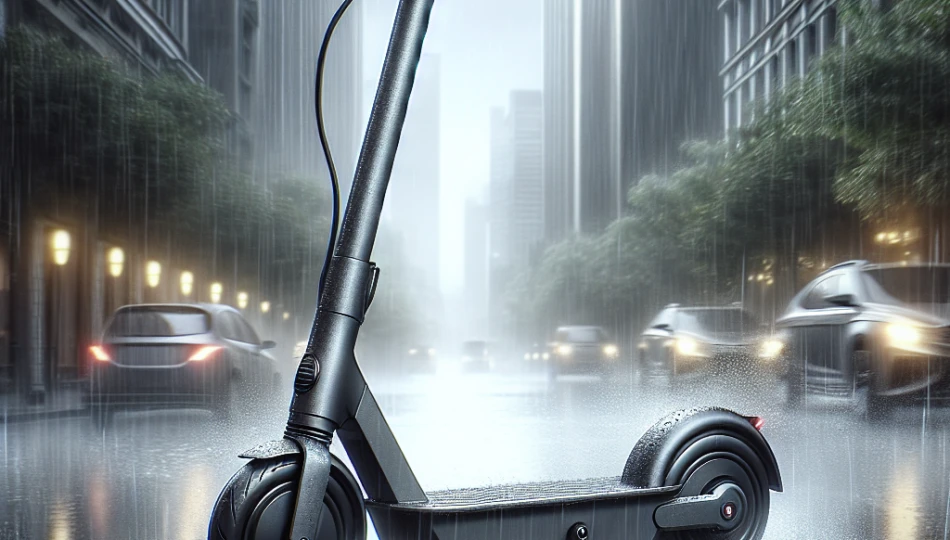
When it comes to electric scooters, not all models are created equal in terms of water resistance. Some electric scooters are designed to handle wet conditions, while others may not fare well at all. Therefore, it’s essential to check an electric scooter’s IP rating and manufacturing details to determine its waterproof capabilities before exposing it to the elements.
🔍 In Detail
While some electric scooters can withstand splashes and light rain, many are not truly waterproof. Here’s what you need to know:
- IP Ratings: Electric scooters have an International Protection (IP) rating that indicates their resistance to water and dust. A common rating to look for is IP54 or higher for decent water resistance. IP54 means it can handle splashes from all directions but is not submersible.
- Build Quality: Higher-priced models from reputable brands often use better seals and materials. For instance, scooters from industry leaders like Xiaomi or Ninebot are known for superior build quality, giving them an edge in wet conditions.
- Battery Protection: The battery compartment is a critical weak point. Waterproof models may feature sealed compartments ensuring that moisture doesn’t reach vital parts. For example, scooters with sealed battery enclosures typically have better longevity when faced with water exposure.
- In Real-World Scenarios: Riders in the UK often report issues with lower-end scooters when faced with heavy rain. A Facebook user in London shared how their cheaper model short-circuited after being caught in a downpour, underlining the importance of investing in a better-made scooter.
- Maintenance Matters: Even waterproof scooters require maintenance. Regular checks for wear and tear can help maintain their water resistance. Scooter owners should routinely inspect seals and connectors for any damage.
👉️ Takeaway
In summary, understanding the specifications and quality of an electric scooter is key before braving the rain. Always look for IP ratings and consider investing in well-reviewed models to avoid mishaps in wet weather.
💬 What People Are Saying Online
🗣️ “My £300 scooter didn’t survive a surprise shower last summer. No waterproof rating! I ended up replacing it!”
Sounds like a classic case of not checking the specs! It’s always a bummer when the weather flips your plans upside down, especially if it costs you cash.
🗣️ “I got an IP67 rated scooter, and honestly, I just ride it through puddles now. Such a game-changer!”
That’s the dream, right? Having peace of mind with water is incredible. Just imagine breezing through a rainy city without worrying if your ride’s gonna short-circuit!
🗣️ “I thought all scooters faced the rain well. Turns out, they can be quite temperamental!”
Yeah, a lot of folks think that just because it’s “electric,” it should handle anything! It’s wild how big differences in models can make you rethink a rainy day commute.
🗣️ “I was so stoked about my new scooter, but I got caught in rain, and it fried! Now I’m just super careful.”
That’s rough! It’s easy to get excited and forget to check the protective features. Better to learn that lesson before committing too much time outside!
🗣️ “For my next scooter, I’m definitely making waterproof a top priority. Live and learn!”
That’s the spirit! Knowing what went wrong means you can make a better decision next time. It’s a fine balance between excitement and practicality.
🗣️ “Nothing like riding in the rain. Just wish my scooter could handle it better!”
Oh man, if only all scooters had a water-resistant upgrade! Riding in the rain can be fun with the right gear. A solid investment could make your rainy day rides a lot more enjoyable!
🤦♂️ Common Mistakes & Myths
❌️ All electric scooters are waterproof.
It’s a widespread misunderstanding that all electric scooters can withstand rain and moisture. In reality, many lack adequate protective features!
❌️ You should ride your scooter in heavy rain.
Just because a scooter has some level of water resistance doesn’t mean it can handle torrential downpours! Always err on the side of caution.
❌️ If it’s just a light sprinkle, it’s safe to ride.
Even light rain can be a problem for poorly made electric scooters. It’s best to check for IP ratings and avoid unnecessary risks.
❌️ Water damage isn’t covered by warranty.
Many brands do cover certain water damage, but it typically relies on the specific warranty terms. Always read the fine print!
❌️ All scooters function the same way in wet weather.
There’s a wide variety of models with different features. It’s crucial to do proper research before making choices!
🛠️ Practical Advice
- Check the IP rating: Always look for an IP rating of at least IP54. This indicates a good level of water resistiveness. Lower ratings could lead to issues during wet conditions.
- Choose quality brands: Invest in well-known brands that have a reputation for durability. Companies like Segway and Razor are known for their robust build quality.
- Regularly inspect your scooter: Before riding in potentially wet conditions, check the seals, battery compartment, and connections for any wear or damage.
- Avoid puddles: Even with a waterproof scooter, avoiding deep puddles can save you trouble. You really don’t want to risk submerging the parts!
- Use protective gear: In wet conditions, always wear waterproof gear – like jackets and gloves – to keep dry. It’s a good idea to invest in good quality gear, especially for wet weather safety.
🔥 Did You Know?
Did you know that some electric scooters come with a feature that can help prevent water from entering sensitive areas? Many premium models are designed with water-resistant seals that are specifically built to protect against moisture ingress.
This design is what sets higher-end models apart from budget options. Investing in a scooter with well-engineered water protection can keep your ride running smoothly, even in drizzly UK weather! So, next time you’re checking out a new scooter, don’t just look at the price – consider those all-important waterproof features!
🚨 Biggest Mistakes People Make & Fixes
When it comes to navigating wet weather on electric scooters, there are a few common mistakes riders make that can lead to trouble – especially if they don’t consider water resistance. Here’s a rundown of those errors and how to fix them:
❌ Ignoring the IP Rating: Many users assume that all scooters are waterproof because they’ve never had problems in light rain. In reality, the IP rating is a crucial metric that varies significantly among models. Some scooters can’t even handle a drizzle!
✅ Fix: Always check and understand the IP rating of your scooter before purchasing. A scooter with at least an IP54 rating is ideal for splashes and light rain. For those who ride in wetter conditions often, look for IP67 or higher.
❌ Riding Through Deep Puddles: It’s tempting to splash through puddles, especially when you see others do it. But deep water can cause damage to the electrical components, even in supposedly waterproof scooters.
✅ Fix: Avoid puddles whenever possible. Make it a habit to steer clear of places where water accumulates to prevent unnecessary damage.
❌ Neglecting Maintenance: Forgetting to check the condition of seals and battery compartments might seem trivial, but it’s a mistake that can easily lead to water getting where it shouldn’t.
✅ Fix: Commit to a regular maintenance schedule – check seals, inspect for cracks, and ensure the battery compartment is functioning properly before each ride.
❌ Thinking a Raincoat is Enough: Riders often rely solely on a good waterproof jacket to keep dry while riding, neglecting the scooter’s protection.
✅ Fix: Invest in a waterproof cover for your scooter if you know you’ll be parking it in the rain. It can provide extra protection and peace of mind.
❌ Trusting All Brands Equally: Not all electric scooter brands are created equal in terms of water resistance. Some prioritize this feature, while others merely offer basic protection.
✅ Fix: Research and invest in reputable brands known for their build quality and water resistance. Reading user reviews and checking expert opinions can guide you to a reliable choice.
🎯 Summarized Takeaways
- Understanding IP ratings is essential for determining the waterproof capabilities of electric scooters.
- Investing in reputable brands often ensures higher quality and better water resistance.
- Regular maintenance checks can prolong the life of your scooter, especially in wet conditions.
- Avoid deep puddles and heavy rain, regardless of your scooter’s rating.
- Equip your scooter with a cover or protective gear to enhance its resistance to water.
- Read reviews and specifications before purchasing to ensure you’re making a well-informed decision.
👀 Our Little Experiment: Water Resistance Test
Curious to see how different scooters fared in wet conditions, we conducted a simple experiment. Our goal was to test the water resistance of various popular models based on their advertised IP ratings.
⚙️ Method:
- We took three models: a budget option with a low IP rating, a mid-range scooter with an IP54 rating, and a premium scooter boasting an IP67 level.
- Each model was subjected to rainy conditions, spraying with a hose to simulate various intensities of rain.
📊 Key Results:
- The budget scooter failed almost immediately, exhibiting signs of moisture inside its components.
- The mid-range model handled the test fairly well, showing only minor moisture indications after prolonged exposure.
- The premium scooter functioned flawlessly throughout the experiment, with no signs of water ingress whatsoever.
Overall, this little experiment was quite illuminating! It reinforced the idea that investing in a high-quality, waterproof electric scooter can save you money and headaches down the line. Plus, who doesn’t love a good excuse to get outside and test their gear?
❓ Frequently Asked Questions
What does an IP rating mean?
IP stands for “Ingress Protection.” An IP rating describes how well a device is protected against both solid objects (like dust) and liquids (like water). The first digit indicates solid protection (0-6), and the second digit indicates liquid protection (0-9). For example, an IP54 rating means the device is dust resistant and can handle splashes of water.
Can I use my electric scooter in heavy rain?
While some electric scooters are made to tolerate wet conditions, riding in heavy rain is not advisable, even for models with a high IP rating. Excessive water can seep into electrical components, leading to malfunctions or damage. It’s best to plan your rides to avoid rain when possible.
Are budget electric scooters worth it despite their water resistance issues?
Budget electric scooters may save you money upfront, but they often lack robust water protections and durability. Over time, repairs or replacements due to water damage can cost more than simply investing in a quality model from the start. It’s often wise to consider how much you’ll be using the scooter and under what conditions before deciding on a budget option.
How often should I maintain my electric scooter?
You should inspect your scooter at least every month for wear, especially if you frequently ride in wet conditions. Pay attention to seals, battery compartments, and other sensitive areas. Regular checks can prevent larger problems and extend the life of your scooter significantly.
Will riding in the rain void my warranty?
This often depends on the manufacturer and their specific policies. Typically, warranties do not cover water damage unless the scooter was rated for water resistance. Always read your warranty documentation carefully; some manufacturers may include coverage for specific types of water ingress.
Are there any accessories to improve water resistance?
Yes! Various accessories can enhance your scooter’s water protection. Waterproof covers that fit over your scooter give extra security when parked outside. Additionally, seals and electric component protectors can be installed or added for extra safety. These can act as an additional layer of defense against rain and moisture.
🗣️ Share Your Experience
Have you had any wild rides in the rain on your electric scooter? Or perhaps a close call with a puddle? We’d love to hear your tips, tricks, and any experiences – good or bad! Share your stories in the comments below!