
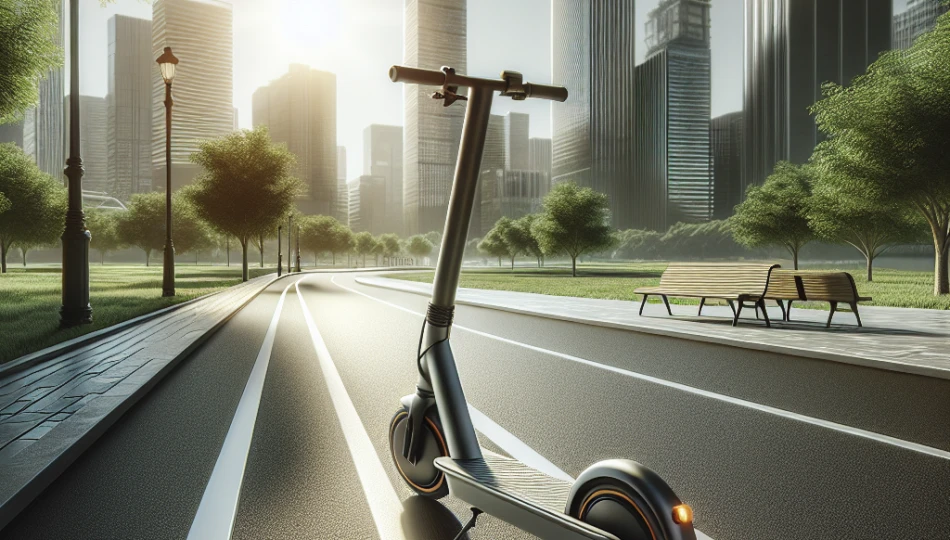
Electric scooters (e-scooters) are becoming a popular choice for urban transport due to their convenience, affordability, and eco-friendly nature. However, where you can legally ride an e-scooter varies depending on whether you own a private e-scooter or use a rental from an approved scheme. Understanding the rules and restrictions can help riders avoid fines and ride safely.
E-scooter laws in the UK are evolving, and while rental e-scooters are allowed in designated areas, privately owned e-scooters face stricter restrictions. In this article, we’ll explore where you can legally ride an e-scooter, penalties for misuse, and what to expect in the future.
Public vs. Private Use
Privately Owned E-Scooters
- Where You Can Ride: Only on private land with the landowner’s permission.
- Where You Cannot Ride: Public roads, pavements, cycle lanes, footpaths, and public parks.
- Legal Status: As of now, private e-scooters are classified as motor vehicles, meaning they require insurance, registration, and a license, which makes them illegal to use on public roads.
Many riders assume that e-scooters function similarly to bicycles, but in legal terms, they fall into the motor vehicle category. This means riding a private e-scooter outside of private property could result in serious penalties.
Rental E-Scooters
- Where You Can Ride: Approved public roads and cycle lanes in designated trial areas.
- Where You Cannot Ride: Pavements, footpaths, and motorways.
- Legal Status: Rental e-scooters are part of government-approved trials and are allowed in select cities across the UK.
Rental e-scooters offer a legal alternative for those who want to ride an e-scooter in public spaces. They are covered by insurance, provided by rental companies, and follow specific regulations set by local councils.
E-Scooter Rental Trial Areas
The UK government has launched rental e-scooter trials in multiple cities to assess their safety and integration into existing transport networks. Some major cities where rental scooters are available include:
- London
- Manchester
- Birmingham
- Liverpool
- Bristol
- Nottingham
- Southampton
Before riding, check local rules and regulations, as each trial area may have specific restrictions on speed limits, parking zones, and permitted areas.
In trial areas, riders must follow strict rules, such as only parking in designated areas and adhering to geofenced speed limits. Failure to comply with local regulations could result in fines or bans from rental services.
Pavement and Pedestrian Zones
Regardless of whether an e-scooter is privately owned or rented, riding on pavements and pedestrian zones is illegal. These areas are strictly reserved for pedestrians, and violators may face fines or have their e-scooters confiscated.
Some cities have implemented clear signage indicating where e-scooters are prohibited. Always check for local regulations before riding.
Cycling Lanes and Roads
- Rental E-Scooters: Allowed in cycle lanes and roads in approved trial areas.
- Private E-Scooters: Not permitted on public roads, even if they have similar speed capabilities as rental scooters.
Motorways and Dual Carriageways
- Not Allowed: E-scooters are too small and slow for high-speed roads like motorways and dual carriageways, making them unsafe and illegal to use.
- Why? They do not meet motor vehicle safety standards, and their limited speed can put riders at risk.
E-scooters are designed for urban environments, and their speeds (usually limited to 15.5 mph) make them unsuitable for fast-moving traffic. Riding an e-scooter on a motorway could result in significant fines and legal action.
Do Laws Vary by City?
Yes, different cities may have different rules regarding e-scooter rentals. Some trial areas allow greater flexibility, while others impose stricter regulations on where scooters can be used, parked, and rented.
Before riding, always check local council guidelines to ensure compliance with the latest laws.
Future of E-Scooter Laws in the UK
The UK government has indicated that it may introduce new legislation to legalize private e-scooter use on public roads. Potential regulations may include:
- Mandatory insurance for private e-scooters
- Age restrictions for riders
- Helmet requirements
- Speed limits and restricted zones
While there is no set timeline for these changes, e-scooter trials and public demand could accelerate the process.
Commonly Asked Questions
Can I Ride My Own E-Scooter in a Public Park?
No, most public parks fall under local council regulations, and e-scooters are not allowed. Some exceptions may apply if permitted by the council or private landowners.
Are There Any Legal Private E-Scooters in the UK?
Not yet. The government is considering legalizing private e-scooters, but until legislation changes, they remain restricted to private land use only.
What Happens If I’m Caught Riding an E-Scooter Illegally?
- Fines of up to £300.
- Penalty points on your driving license.
- Possible confiscation of your e-scooter.
Can I Ride an E-Scooter on a Quiet Residential Street?
No, unless it is a designated rental trial area, private e-scooters cannot be used on any public roads, even in quiet neighborhoods.
Do Rental E-Scooters Require a Driving License?
Yes, riders must hold a full or provisional driving license to rent and ride an e-scooter legally in trial areas.
Do I Need Insurance to Ride an E-Scooter?
- Rental E-Scooters: Insurance is provided by the rental company.
- Privately Owned E-Scooters: No insurance is required because they cannot be legally used in public spaces. If legislation changes, private e-scooter insurance may become mandatory.
Final Thoughts
While rental e-scooters are becoming more accessible in approved trial areas, private e-scooters remain illegal on public roads, cycle lanes, and pavements. Always check local laws before riding, and use rental scooters where permitted to stay compliant with UK regulations.
The government is reviewing laws for privately owned e-scooters, so legal changes may be on the horizon. Until then, make sure you ride responsibly and stay within the current legal framework.
As e-scooter use continues to grow, it is essential to stay informed about future changes in legislation. Responsible riding and adherence to local regulations will help ensure that e-scooters remain a safe and viable mode of transport in the UK.