
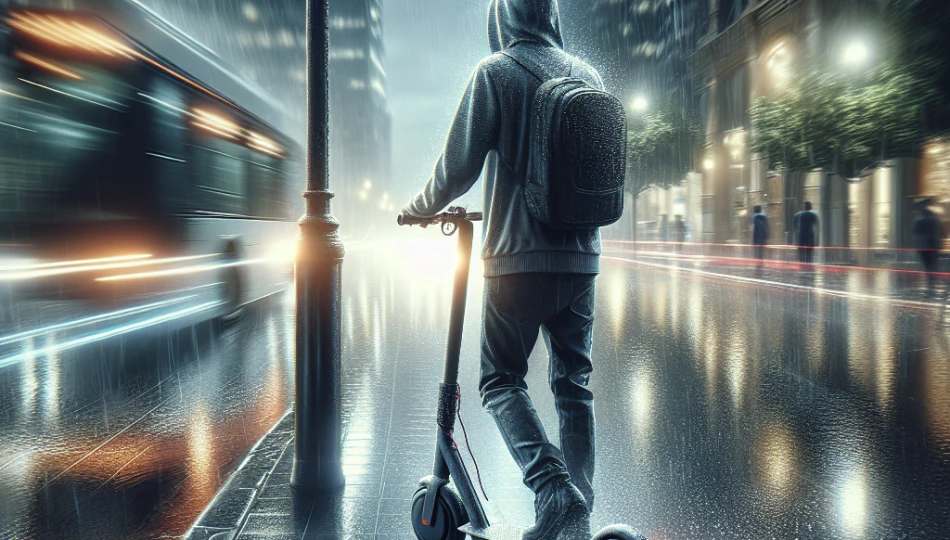
Yes, you can use an electric scooter in the rain, but it comes with risks. Factors like the scooter’s waterproof rating, riding conditions, and your safety precautions play a crucial role in ensuring a safe ride.
🔍 In Detail
When considering riding an electric scooter in wet conditions, it’s essential to look at various factors. Not all electric scooters are built to withstand rain. Most scooters come with an Ingress Protection (IP) rating, which indicates their level of water resistance. Here’s what you should know:
- IP Ratings Explained: An IP rating like IP54 means the scooter is dust-protected and can resist water sprays from any direction. A rating of IP65 or higher indicates better water resistance, suitable for heavier rain.
- Tires Matter: Scooter tires play a sizable role in grip during wet conditions. Tires with good tread patterns will provide better traction, reducing the risk of slipping.
- Visibility: Rain can reduce visibility for both you and other road users. Ensure you have proper reflective gear and lights to stay visible.
- Stopping Distance: Wet surfaces can increase stopping distances. Ride slower and allow more room between yourself and obstacles.
Aside from the scooter specifications, personal safety measures are just as important. For instance, wearing waterproof clothing and a helmet is essential for protection against both rain and falls. Numerous real-world experiences demonstrate the importance of combined caution and preparedness. For example, several electric scooter riders have commented on their slippery encounters and learned to avoid steep hills during rainy weather.
👉️ Takeaway
💬 What People Are Saying Online
🗣️ “I tried riding my e-scooter in the rain once. Slid right off! Never again!”
It seems like a lot of people have gone through a similar experience. It’s a good reminder to be cautious and know your scooter’s limits. Maybe investing in some quality rain gear could help for those unexpected showers!
🗣️ “I have an IP65 scooter, and I’ve ridden in light rain. It held up pretty well, but I was super careful!”
That’s great to hear! Having a scooter that’s built for it makes a huge difference. It’s daunting, though – being careful is key! I’d bet even a quick shower can feel nerve-wracking.
🗣️ “Visibility is my biggest issue. Riding in the rain makes it hard for others to see me.”
Totally get that! Visibility is such a critical factor. Adding some reflective gear or stickers can really make a difference – and it doesn’t hurt to be extra visible while trying to stay safe!
🗣️ “After slipping on wet pavement, I always check the weather before heading out.”
Smart thinking! Nobody wants to end up on the ground. A little planning can save you from those sudden downpours and tricky conditions.
🗣️ “I’m looking into getting rain-resistant accessories for my scooter. Any recommendations?”
That’s an awesome idea! Waterproof phone holders, ponchos, and handlebar grips can make riding in the rain safer. Things like these can definitely enhance your experience and reduce the risk of slipping.
🗣️ “I’ve encountered puddles that look shallow but can be deceptively deep!”
Oh man, yes! It’s unsettling how quickly things can change. Always good to stay alert – those surprise puddles can mess with your balance and control. Better safe than sorry!
🤦♂️ Common Mistakes & Myths
❌️ All electric scooters can handle rain!
Not true! Always check the IP rating before riding in wet conditions. Some scooters are simply not designed for rain.
❌️ Rain makes electric scooters unsafe to ride!
Not necessarily! While conditions may be tricky, the right scooter with proper precautions can make a wet ride possible.
❌️ Wet brakes are just as effective as dry brakes.
False! Water can reduce braking efficiency. Always account for longer stopping distances when it’s wet!
❌️ You don’t need to adjust your speed in the rain.
Oh, you definitely do! Slippery roads require slower speeds to maintain control and avoid accidents.
❌️ Water won’t damage an electric scooter if it’s just a drizzle.
Even light rain can cause issues over time. It’s wise to minimize exposure whenever possible.
🛠️ Practical Advice
- Know Your Scooter: Check your scooter’s IP rating before heading out in the rain. If it’s less than IP54, it might be best to take a rain check.
- Wear Appropriate Gear: Invest in waterproof clothing and footwear – not just for your comfort but for better safety as well.
- Adjust Your Speed: Ride slower in wet conditions to ensure you can stop safely if needed. Give yourself the space and time to react.
- Be Smart with Puddles: Avoid them when possible! What looks shallow can be deep and can hide unexpected obstacles.
- Enhance Visibility: Use reflective gear or lights to make sure you’re seen, particularly when visibility is low.
🔥 Did You Know?
Surprisingly, rain can actually enhance the flatness of certain surfaces! That’s right! Wet roads can make things feel much smoother and faster. In fact, studies show that many riders feel like they’re gliding during light rain. However, this perception is dangerous – slippery conditions can alter traction and lead to accidents.
It’s easy to feel invincible when everything seems smooth, but always keep your wits about you and ride within your limits!
🚨 Biggest Mistakes People Make & Fixes
When riding electric scooters in the rain, it’s easy to fall into common traps that can compromise your safety. Here are some major missteps and how to correct them:
❌️ Mistake 1: Assuming your scooter is completely waterproof.
Many riders think that if their scooter has an IP rating, it can handle any rain. However, even scooters with IP65 ratings have limitations when submerged.
✅ Fix: Always check the manufacturer’s guidelines regarding water exposure and consider using additional waterproof covers for sensitive components.
❌️ Mistake 2: Riding with worn tires.
Old or worn-out tires decrease grip on wet surfaces, significantly increasing the risk of slipping.
✅ Fix: Regularly inspect your scooter’s tires for tread depth and wear. Replace them if they are slick or have minimal tread left.
❌️ Mistake 3: Overlooking battery and electrical safety.
Water can seep into electronic components, which could lead to electrical failures or even short-circuits while riding.
✅ Fix: Ensure all connections are sealed and consider applying silicone sealant where necessary. Store your scooter indoors when not in use to keep it dry.
❌️ Mistake 4: Ignoring environmental conditions.
Just because you’ve committed to riding doesn’t mean the weather is cooperative. Strong winds and heavy rainfall pose serious risks.
✅ Fix: Always check the weather forecast and listen to your gut. If the conditions seem too risky, it’s better to wait for a clearer day.
❌️ Mistake 5: Forgetting about maintaining visibility.
In rainy weather, visibility can drop drastically, which makes you less visible to other road users.
✅ Fix: Equip your scooter with bright, functional lights and wear reflective clothing to maximize your visibility, especially during dusk or dawn.
🎯 Summarized Takeaways
- Always check your electric scooter’s IP rating before riding in the rain.
- Wear appropriate gear, including waterproof clothing and helmets.
- Adjust your riding speed to increase control and stopping distance.
- Avoid puddles and be vigilant of weather conditions that might jeopardize safety.
- Enhance your visibility with reflective gear and lights.
👀 Our Rain Riding Experiment
Curious about the real impact of riding an electric scooter in the rain, we decided to conduct our little experiment!
⚙️ Method: We took a waterproof scooter on a test ride during a mild rain shower to evaluate performance, grip, and visibility.
📊 Key Results:
- The scooter maintained decent traction, but we noted the need for slower speeds.
- Visibility was an issue despite having lights; reflective gear was essential.
- Stopping distances were noticeably longer, confirming the need for caution.
It felt like a thrilling but slightly nerve-wracking adventure, reminding us that while riding in the rain can be fun, it requires extra vigilance. We even learned that finding the right gear can make the ride a lot smoother!
❓ Frequently Asked Questions
Can I ride my electric scooter in the rain if it has an IP54 rating?
IP54 ratings indicate that a scooter can handle splashes of water from any direction, but prolonged exposure to rain might still cause damage. It’s best to avoid heavy rain and limit exposure to drizzle or light rain. Always wipe down your scooter afterward to prevent moisture buildup.
Are there specific tires designed for wet conditions?
Yes! Scooter tires with deeper treads and specific rubber compounds designed for wet traction can provide better grip during rainy conditions. Many brands offer specialized tires that perform well in wet weather, improving overall safety and ride quality.
How can I improve my visibility while riding in the rain?
To enhance visibility, consider using bright LED lights, wearing reflective jackets or vests, and applying reflective tapes on your scooter. Additionally, using a helmet with reflective elements can significantly increase your visibility to other road users, especially in low-light conditions.
What should I do if my scooter gets wet?
If your scooter gets wet, dry it off as soon as possible, especially around electronic components. You can use a microfiber cloth to wipe it down, and ensure that all ports and connections are free from moisture. If you suspect water has entered the battery compartment, do not attempt to charge it until it is completely dried to avoid any electrical failures.
Is it necessary to wear a helmet in the rain?
Absolutely! Wet conditions increase the likelihood of slipping or falling, making a helmet even more crucial for safety. A helmet protects you in case of an accident, providing vital cushioning. Whether it’s sunny or raining, wearing a helmet should always be a non-negotiable part of your riding gear.
Does riding in the rain reduce battery efficiency?
Riding in the rain can affect battery efficiency, mainly due to the added resistance from wet surfaces. Additionally, if water seeps into the battery compartment, it can lead to performance issues. Always keep an eye on your battery health and charge accordingly to maintain optimal performance.
🚴♂️ Share Your Thoughts!
Have you had any experiences riding your scooter in the rain? What challenges did you face, and what tips do you have for others? Let’s hear your stories and keep the conversation going! Your advice might help someone else stay safe on the road.