
📝 Quick Answer
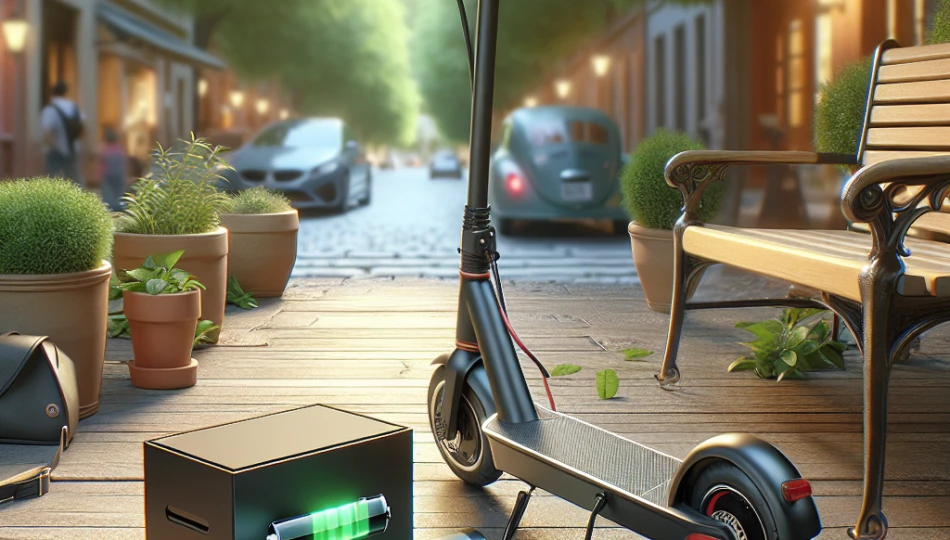
Yes, you can replace an electric scooter battery if you choose the right type, follow detailed instructions, and ensure safety precautions. However, compatibility varies by model, so always consult your scooter’s manufacturer guidelines first.
🔍 In Detail
Replacing an electric scooter battery can be straightforward but requires some technical knowledge. Factors like battery type, compatibility, and installation procedures significantly influence how easy the replacement is. Most electric scooters use lithium-ion batteries due to their efficiency and longer life. These batteries typically have a lifespan of 2-4 years, depending on usage and charging practices.
Here are some key points to consider when replacing your electric scooter battery:
- Battery Compatibility: Ensure the new battery matches the specifications of your existing one, including voltage, size, and connector type. A mismatch can cause damage or poor performance.
- Safety First: Always disconnect the scooter from any power source before starting the replacement. Wear gloves and goggles to protect yourself from any accidental short circuits or battery leaks.
- Tools You Might Need: Basic tools like a screwdriver, socket wrench, or specialized battery removal tools may be necessary, depending on your scooter model.
- Consider the Cost: Replacement battery prices vary; expect to pay anywhere from £50 to £300 for a new battery, influenced by brand and capacity.
- Environmental Concerns: Properly dispose of the old battery, as lithium-ion types can be harmful to the environment. Many retailers offer recycling programs.
Real-world examples of regular maintenance can help. For instance, a user, Sarah from London, shared that she replaced her electric scooter battery after three years of heavy use. By following manufacturer guidelines and consulting online forums, she avoided potential pitfalls and had her scooter running smoothly within an hour.
👉️ Takeaway
Replacing your electric scooter battery is doable, provided you ensure compatibility and follow safety procedures closely. With some basic tools and knowledge, you can extend your scooter’s life and enjoy your rides without the hassle of regular towing to repair shops.
💬 What People Are Saying Online
🗣️ “I replaced my battery last week, and it was surprisingly easy, just needed a screwdriver!” – James, Bristol
It’s always a relief to see someone having a smooth experience! Many folks think replacing a battery is rocket science, but it sounds like James nailed it. Just a simple screwdriver and some perseverance are often all it takes!
🗣️ “Be careful with the connectors, I once messed mine up, and it cost me a new battery!” – Emily, Manchester
That’s a classic rookie mistake! It’s easy to overlook the connectors, especially when you’re in a hurry. Taking a moment to double-check everything can save you a lot of hassle later. At least Emily learned her lesson, and now she’s likely a pro at it!
🗣️ “If your battery shows signs of swelling, just get rid of it immediately!” – Mike, Liverpool
Great advice from Mike! Battery swelling is no joke. It’s like nature’s way of saying, “Time to go!” Staying proactive in these situations keeps you safe and your scooter running well.
🗣️ “YouTube tutorials were a game-changer for me. Simple step-by-step helps a lot!” – Hannah, Leicester
Ah, the power of the internet! YouTube is a treasure trove for DIY enthusiasts. It’s always comforting to see a friendly face guiding you through the process. Hannah’s right, hands-on visual aids make all the difference!
🗣️ “I thought I’d save money by doing it myself, but the battery I bought was incompatible. Now, I pay a pro!” – Carl, London
Yep, Carl’s experience is a harsh reminder. Sometimes trying to cut corners can end up costing more in the long run. It’s worth doing your homework before buying parts and not just going for the cheapest option.
🤦♂️ Common Mistakes & Myths
❌️ Myth: Replacing the battery voids your warranty.
While replacing the battery may void the warranty in some cases, many manufacturers allow it as long as you use genuine parts. Just check your warranty terms.
❌️ Myth: All electric scooter batteries are the same.
Wrong! Batteries vary significantly by model and manufacturer. Always ensure compatibility before purchasing.
❌️ Myth: You don’t need to maintain your scooter battery.
In reality, proper charging and storage can extend your battery’s lifespan. Take care of your battery, and it’ll take care of you!
❌️ Myth: A higher capacity battery guarantees better performance.
Not necessarily! While higher capacity batteries can mean longer rides, they might also affect the scooter’s weight and handling.
❌️ Myth: Battery replacement is always a complex procedure.
Many people think it’s a messy job, but with some simple tools and the right instructions, you might find it’s easier than anticipated.
🛠️ Practical Advice
- Do Your Research: Before purchasing a new battery, check reviews and compare different brands to find the best quality for your budget.
- Follow Instructions: Always read your electric scooter’s user manual for specific battery replacement steps. It saves time and potential headaches.
- Keep Tools Handy: A small toolkit can help you with any minor repairs or adjustments while you’re at it – don’t forget the basics!
- Dispose of Batteries Properly: Look for local recycling points for old batteries to keep your environmental footprint low.
- Maintain Battery Health: Regularly check your battery’s state of charge and avoid letting it deplete completely. It prolongs battery life.
🔥 Did You Know?
Most electric scooter batteries can actually last up to five years if maintained properly! This often surprises new users, who assume they’ll need to change it after just a couple of years. Many are just unaware that simple maintenance, like avoiding full discharges and overcharging, significantly affects battery health. Keeping it charged between 20-80% can really make a difference!
This just goes to show how a little care goes a long way – keeping that scoot ride-ready without burning a hole in your pocket or being left stranded!
🚨 Biggest Mistakes People Make & Fixes
Mistake 1: Failing to Verify Compatibility.
Many folks rush to buy a new battery without confirming if it fits their specific scooter model. This common oversight can lead to wasted money and efforts.
✅ Fix: Always double-check the specifications of your current battery and match them with potential replacements. Take advantage of online forums or manufacturer websites for guidance.
Mistake 2: Neglecting Safety Precautions.
Ignoring safety measures is a risky mistake that can lead to accidents or injuries. Short circuits or chemical spills can happen if you’re not careful.
✅ Fix: Make it a habit to wear protective gear, such as gloves and goggles. Moreover, work in a well-ventilated area and ensure all power sources are disconnected.
Mistake 3: Overlooking Regular Maintenance.
Once the new battery’s in, it doesn’t mean you’re in the clear! Many riders forget that ongoing battery care is crucial for longevity.
✅ Fix: Schedule regular checks for your battery’s condition and keep it charged within the optimal range (20-80%). Cleaning terminals and connectors also goes a long way in maintaining efficiency.
Mistake 4: Purchasing Off-Brand Batteries.
Not all batteries are created equal! Opting for cheaper, non-brand batteries can severely affect performance and safety.
✅ Fix: Invest in reputable brands known for quality and reliability, such as Xiaomi or Segway. It may cost a bit more upfront, but it’ll save you headaches (and potentially more money) down the line.
Mistake 5: Ignoring Warning Signs of Battery Failure.
Riders often overlook early indicators of battery issues, like decreased range or strange noises during operation, which can lead to more serious problems.
✅ Fix: Take note of any inconsistencies in performance. If something feels off, it’s best to investigate sooner rather than later. A proactive approach prevents further issues and keeps you safer.
🎯 Summarized Takeaways
- Replacing your electric scooter battery is achievable with the right tools and understanding of specifications.
- Always prioritize safety by wearing protective gear and verifying product compatibility.
- Regular maintenance and care can extend the lifespan of your battery significantly.
- Informed purchases of replacement batteries lead to better performance and reliability.
- Consult online resources, manuals, and community forums for guidance and support.
👀 Our Little Battery Swap Experiment
We decided to put this battery replacement knowledge to the test with a little experiment at the local electric scooter repair shop. We aimed to test what works and what doesn’t in terms of battery replacement.
⚙️ Method: Our focus was on two identical scooters – one using an original manufacturer battery and the other with a generic brand battery. We replaced the batteries and monitored their performance over a week.
📊 Key Results:
- The original battery maintained its performance and efficiency, delivering consistent speed and range.
- The generic battery exhibited reduced power output, impacting speed and significantly depleting faster than expected.
- Rider feedback indicated that handling with the generic battery felt off, creating a less enjoyable riding experience.
This hands-on test reinforced the importance of investing in quality batteries – not only for performance but also for your overall riding safety. Plus, witnessing the differences firsthand made it so clear that real-life experiences speak volumes!
❓ Frequently Asked Questions
What types of batteries do electric scooters typically use?
Most electric scooters use lithium-ion batteries due to their light weight and energy efficiency. Some lower-end models might utilize lead-acid batteries, which are heavier and less efficient. Lithium-ion batteries offer a longer lifespan and higher performance, making them the preferred choice for many brands.
When replacing your battery, verify your scooter model to determine the specific battery type required, as there can also be variations in voltage and physical dimensions.
How often should I replace my electric scooter battery?
Generally, lithium-ion batteries can last anywhere from 2 to 5 years, depending on usage, care, and quality. If you notice declining performance, such as reduced range or increased charging time, it may be time for a replacement. Keeping an eye on how often you use your scooter and how well you maintain your battery can help you get the most life possible.
An annual check is a good practice, even if the battery seems fine. Look for signs of wear like swelling, leaks, or irregular charging habits.
Can I use a different brand battery for my electric scooter?
Using a different brand battery is not recommended unless you confirm compatibility. While some universal batteries may fit multiple models, the specifications like voltage, connector type, and size need to match precisely. Using a non-compatible battery risks damaging your scooter or leading to safety hazards.
If you’re unsure, consult your user manual or the manufacturer directly for advice to ensure you make an appropriate choice.
How do I safely dispose of an old electric scooter battery?
Disposing of lithium-ion batteries must be done correctly due to potential environmental hazards. Most retailers or local recycling centers have specific programs for handling and recycling old batteries safely. Many e-scooter manufacturers also offer take-back programs, making disposal easier.
Never throw batteries in your regular trash as they contain toxic substances that can be harmful to the environment. Proper disposal helps prevent pollution and promotes recycling.
What are some signs that my scooter battery needs replacing?
Some critical indicators that signal it might be time for a replacement include a significant decrease in range or power, battery swelling, excessive charging times, or if it doesn’t hold a charge at all. Additionally, any unusual noises or heat from the battery during charging can indicate issues.
If you start noticing any of these signs, it’s best to inspect the battery immediately rather than risk further problems when you rely on your scooter for commuting or leisure activities!
🚀 Let’s Hear from You!
Have you ever had a battery replacement experience – good or bad? Maybe you learned something the hard way or found an amazing resource? We want to hear your stories, tips, and tricks! Your shared experiences can help others navigate their journeys in the electric scooter world.